Body and Mind

Whenever I’ve faced a challenge, I’ve simply pressed forward. I didn’t spend much time thinking about anything beyond getting from point A to point B. Everything in between usually seemed to fall into place.

It was as simple as following a formula.

Take a marathon, for example. I would sign up, follow a training program and then run from the starting line to the finish.

I could find a formula for almost any challenge—school, work or even projects around the house. When the steps were clearly laid out, I didn’t have to give them much thought.

Breast cancer was obviously different.

I faced multiple surgeries, treatments and a long recovery. The uncertainty caught me off guard. There was no definite beginning and end. There was no formula—only ranges, percentages and changing timelines.

This challenge was going to require thought.

A lot of thought.

Before my diagnosis, I had developed a daily yoga practice, mostly because the studio was nearby and my friends went there. It became an autopilot routine.

I wasn’t interested in the “fluffy” parts—breathing, meditation or being present. I completed my workout and moved on to the next item on my to-do list.

I’ve written about how time stood still when I received my diagnosis. I resigned from my job and watched the clock tick while I waited two months for surgery.

There was plenty of time to tick. Plenty of time to tock. And plenty of time for unsettling thoughts.

I decided to direct that time and mental energy toward preparing physically and emotionally for a nearly nine-hour surgery.

More yoga!

This time, I worked on the “fluffy” parts too.

Quieting my mind was not easy. I began one minute at a time.

It worked.

I credit yoga with helping prepare my body and mind for both surgery and recovery.

Naturally, because I apparently needed another challenge, I decided to earn my yoga teacher certification.

Om shanti, shanti ever since.

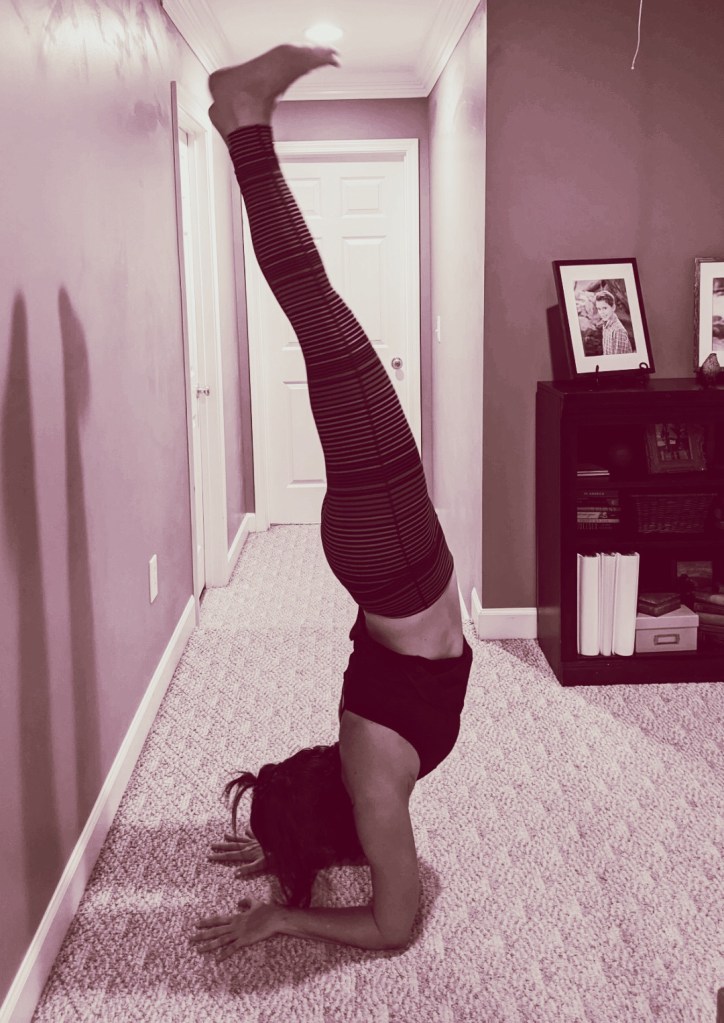
One pose had eluded me long before surgery: Pincha Mayurasana, or forearm stand. I had been working on it for two years.

The pose is often associated with courage, concentration and the third-eye chakra.

Whatevs, right?

Keep an open mind!

Pincha Mayurasana requires strong shoulders, arms and abdominal muscles—the last of which I’ve always lacked. It takes tremendous effort to find the sweet spot, but once you find it, the pose suddenly requires very little effort.

Depending on the day, I can find that spot.

That is how I am discovering the connection between body, mind and yoga.

How are you feeling? Really.

4FE1E675-0268-41E8-A367-5AD20F5268EDA longtime friend stopped by yesterday to chat. No matter how much time passes, our rapport never skips a beat. She is someone whose questions I can always answer honestly, and I want to offer that same honesty to anyone taking the time to read my story.

How am I doing mentally and physically?

“How are you feeling? Really?” she asks.

Mentally

I respond with tears in my eyes. Holding them back keeps the words at bay. It is quiet, and my friend patiently gives me a moment.

“I’m doing really well.”

She understands my tears because cancer has also deeply affected her life. These are tears of relief. The surgery is over, but I will never forget how scared I was during those two marathon months leading up to it.

I was scared of the pain, the recovery and the restricted activity. I was scared of how surgery would change my body, of losing my fitness and, most importantly, of what it could mean for my family.

The surgery is over, and the greatest fear has passed. My future still holds uncertainty and a challenging road, but I am moving forward.

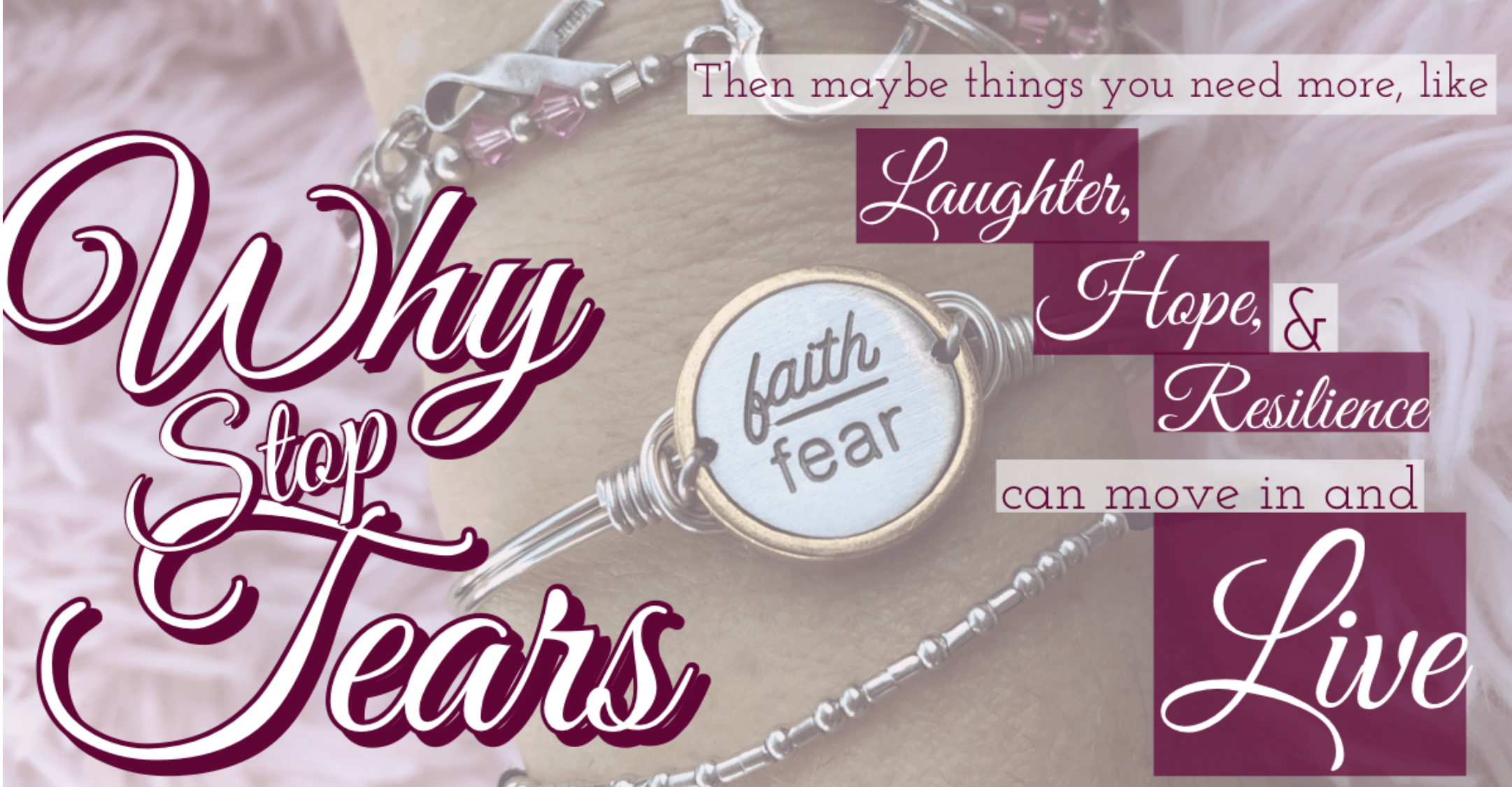
“Fear is only as deep as the mind allows.”

I have faith in God, my oncology team, my friends and family, and myself.

Faith overcomes fear.

Physically

My body is recovering. My surgery involved a bilateral mastectomy, lymphadenectomy and DIEP breast reconstruction, which stands for deep inferior epigastric perforator flap reconstruction. The procedure uses tissue from the abdomen to reconstruct the breasts, with microsurgery reconnecting the blood vessels.

Chest

Since the first day, I have had very little feeling in my chest. It looks a bit Frankenstein-like, but I have not had much pain there. As the reconstructed tissue heals, I’m told I may regain some sensation. For now, there is tingling as everything begins to heal.

Armpits

I have discomfort in my armpits from the lymph node surgery. The incisions are located where my arms constantly move. My concern about lymphedema is greater than the discomfort, so I continue gently moving and reaching.

Abdomen

My abdomen has caused the most pain. I quickly discovered just how involved the abdominal muscles are in every little movement.

I have a 16-inch incision that is sewn very tightly. My stomach feels like a drum. The funny thing is that I didn’t even realize they had made me a new belly button until a few days later, when I was finally allowed to shower.

The incision prevents me from lying flat, sitting straight or standing upright. Almost any position that would normally feel restful is uncomfortable. Thankfully, the pain decreases considerably each day.

I credit some of my progress to my daily yoga practice before surgery—and to my inability to sit still.

Back

As the other pain lessens, my back seems to hurt more. I’m using muscles differently because I cannot stand, sit or lie flat. This will pass, but sooner would be better.

I cannot stand in one place for long, I use a cane to walk and I would do almost anything to feel the stretch of a Sun Salutation. That will have to wait for another day—one still far away.

Seven days after surgery, I completely stopped taking the major pain medication. I now use only ibuprofen, Tylenol and prescribed medication for the muscle spasms in my back.

This has been a long post, so I’ll leave you with words shared by another wonderful friend:

“Why stop the tears if they want to fall? Sorrow, fear and anger are looking for a way out. Why not show them the exit? Then perhaps laughter, hope and resilience can move in and stay.”